Psoriasis is more than just a skin issue — it’s a chronic autoimmune condition that can affect a person’s health, confidence, and quality of life. Despite how common it is, there’s still a lot of confusion and stigma around it.
In this blog, we’ll break down psoriasis in simple terms: what causes it, how it shows up, and the treatment options available.
What Is Psoriasis?
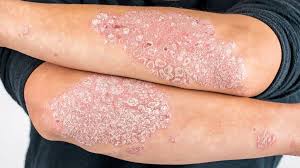
Psoriasis is a chronic autoimmune disorder that causes the skin to produce cells at a much faster rate than normal. Instead of shedding naturally, these extra skin cells build up on the surface, leading to thick, scaly patches that can be itchy, red, or even painful.
It’s not contagious, but it is persistent — meaning it can flare up from time to time, often triggered by stress, weather, infections, or other factors.
Causes: What Triggers Psoriasis?
While the exact cause is still not fully understood, researchers believe it results from a combination of genetic and immune system factors.
Key contributors include:
- Immune system dysfunction: The immune system mistakenly attacks healthy skin cells.
- Genetics: Having a family history of psoriasis increases your risk.
- Triggers: These vary for each person and may include:
- Stress
- Skin injuries or sunburn
- Cold, dry weather
- Certain medications
- Infections (especially strep throat)
- Smoking or heavy alcohol use
Symptoms: What Does Psoriasis Look and Feel Like?
Psoriasis symptoms vary depending on the type of psoriasis a person has. The most common form is plaque psoriasis.
General symptoms may include:
- Raised, inflamed red patches of skin
- White or silvery scales (plaque)
- Dry, cracked skin that may bleed
- Itching, burning, or soreness
- Thickened or ridged nails
- Joint pain or stiffness (in psoriatic arthritis)
Types of Psoriasis:
- Plaque Psoriasis: Most common; thick red patches with silver scales.
- Guttate Psoriasis: Small, dot-like lesions; often triggered by infection.
- Inverse Psoriasis: Shiny, red patches in skin folds (like armpits or groin).
- Pustular Psoriasis: White blisters filled with pus.
- Erythrodermic Psoriasis: A rare, severe form involving widespread redness, itching, and skin shedding.
Treatment: What Can Help Manage Psoriasis?
While there is no permanent cure, there are many treatment options that can help manage symptoms and reduce flare-ups.
Topical Treatments:
- Corticosteroid creams
- Vitamin D analogs (like calcipotriol)
- Salicylic acid
- Coal tar-based products
- Moisturizers (essential for daily care)
Phototherapy (Light Therapy):
Controlled exposure to ultraviolet (UVB) light can slow skin cell growth.
Systemic Medications (for moderate to severe cases):
- Oral drugs: Methotrexate, cyclosporine, acitretin
- Biologics: Target specific parts of the immune system (e.g., Humira, Enbrel, Stelara)
Note: Always consult a dermatologist for a tailored treatment plan.
Lifestyle Tips for Managing Psoriasis
- Keep skin moisturized to prevent dryness and cracking.
- Reduce stress through meditation, yoga, or regular exercise.
- Avoid harsh soaps and hot water that can irritate the skin.
- Eat an anti-inflammatory diet, rich in fruits, vegetables, and omega-3s.
- Quit smoking and limit alcohol intake.
Homeopathic View of Psoriasis
In homeopathy, psoriasis is seen as a constitutional disorder — meaning it’s not just a skin problem, but a reflection of internal imbalances. These may include:
- Genetic predisposition
- Suppressed skin diseases
- Emotional stress or trauma
- Faulty immune response
Rather than targeting the skin directly, homeopathy focuses on the whole person, including mental, emotional, and physical symptoms.
Commonly Used Homeopathic Remedies for Psoriasis
Each case of psoriasis is unique, and remedies are chosen based on a detailed case history. However, some of the frequently used remedies include:
1. Arsenicum Album
- Dry, scaly skin with intense itching
- Burning sensation worsens at night
- Restlessness and anxiety
2. Graphites
- Thick, cracked skin with sticky discharge
- Common in folds like behind the ears, groin, or armpits
- Suited for people who are shy or introverted
3. Sulphur
- Itchy skin aggravated by heat and bathing
- Redness, inflammation, and scratching till it bleeds
- Often used when skin conditions reappear after suppression
4. Petroleum
- Deep cracks in skin that bleed
- Worse in winter
- Especially for psoriasis on hands and feet
5. Kali Arsenicosum
- Scaly patches with severe itching
- Worse in cold weather
- Common in chronic, long-standing cases
Note: Homeopathic remedies should always be prescribed by a qualified practitioner after a detailed evaluation. Self-medication is discouraged.
The Holistic Advantage
One of the main advantages of homeopathy is its gentle and non-toxic approach. Since remedies are highly diluted, they are safe and generally free from side effects — even with long-term use.
Benefits of Homeopathy for Psoriasis:
- Targets the root cause
- Improves overall immunity
- Reduces recurrence of flare-ups
- Addresses mental and emotional stress linked with the condition
- Safe for all age groups
Final Thoughts
While psoriasis can be a stubborn and lifelong condition, homeopathy offers hope for those looking for a natural, long-term solution. It may not bring overnight results, but with patience and personalized care, many people experience significant relief and better quality of life.