- 🧭 Table of Contents
- 🌟 Preface
- 💪 Why Iron Is So Important for Women
- 📊 How important forceful Do Women Need?
- 🚩 Symptoms of Iron Deficiency
- 🥗 Stylish Natural Iron Sources
- 💊 Do You Really Need forceful Supplements?
- 🤰 Iron and Women’s Reproductive Health
- 🍽️ Diet Tips to Boost Iron immersion
- ⚠️ Side effects of Over-Supplementation
- ❓ FAQs
- 🔚 Final studies
🌟 Preface
Ever notice yourself dragging through the day for no real reason? That kind of frazzle you can’t shake — indeed after sleeping well? For numerous women, that sluggish feeling is further than “ just stress ” or “ a busy week. ” It might be low iron.
Iron doesn’t get as important attention as, say, vitamin C or protein. But when you’re low, your body lets you know. Women, in particular, are more vulnerable due to yearly ages, gestation, and indeed salutary choices.
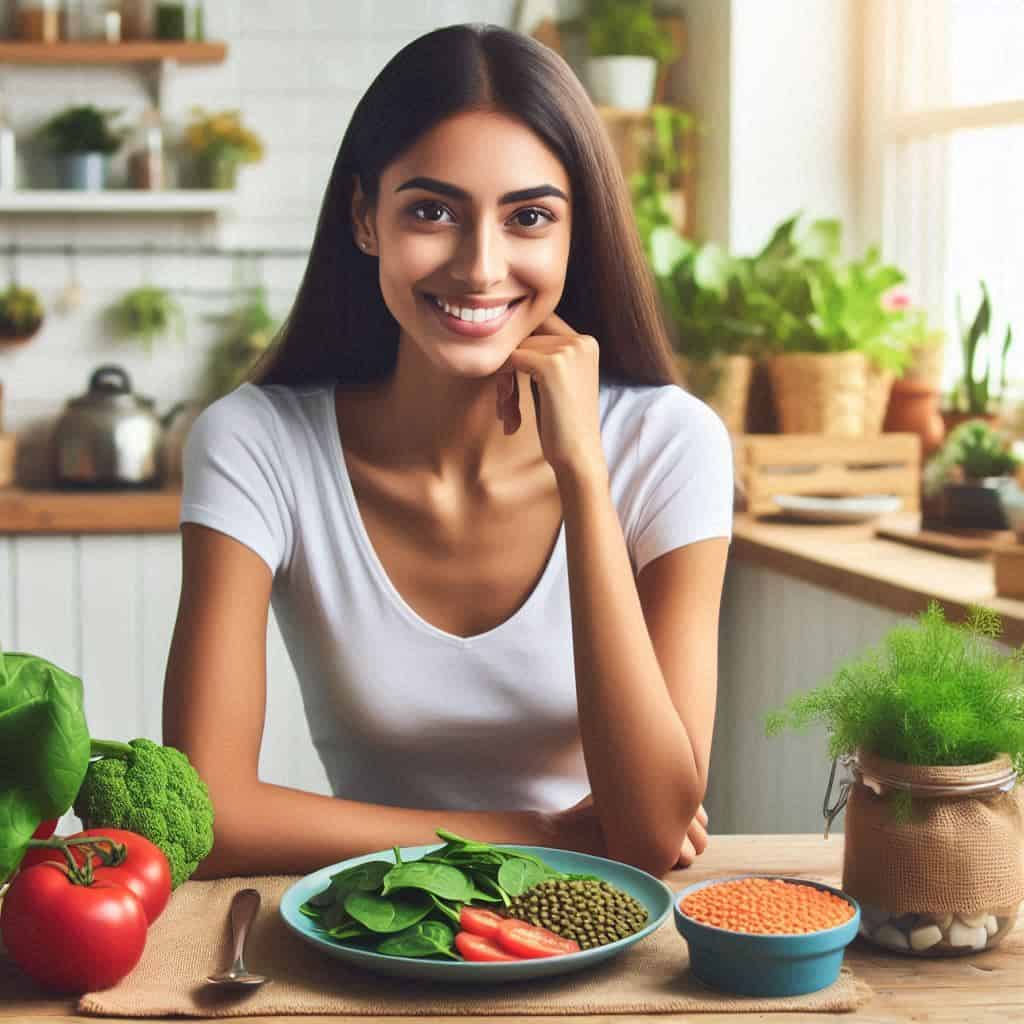
So do you actually need an iron supplement? Or can you calculate on a smart, balanced diet? Let’s explore what iron really does for your body, and whether those little red tablets in the drugstore aisle are worth your attention.
💪 Why Iron Is So Important for Women
Think of iron as the courier service for oxygen in your body. It helps produce hemoglobin — the protein in red blood cells that carries oxygen from your lungs to the rest of your system.
When your iron situations dip, your body doesn’t get enough oxygen. That’s when the prostration kicks in. You feel foggy. Your exercises get harder. Your skin might indeed look dull.
For women, the stakes are indeed advanced. Menstrual cycles naturally beget iron loss. And during gestation, iron needs virtually double. Without enough, your body struggles — not just physically, but hormonally and emotionally too.
Then why iron matters?
It keeps your blood healthy and oxygenated
Supports brain clarity and attention
Strengthens immunity
Balances hormones and reproductive functions
Helps with temperature regulation and energy
📊 How important forceful Do Women Need?
Your iron needs change depending on where you’re in life
Teenage girls( 14 – 18) 15 mg/ day
Adult women( 19 – 50) 18 mg/ day
Pregnant women 27 mg/ day
Breastfeeding around 9 – 10 mg/ day
After menopause about 8 mg/ day
That shaft during gestation? It’s because your body is working overtime — making further blood, supporting a growing baby, and helping develop the placenta. It’s a lot, and diet alone might not always cut it.
🚩 Symptoms of Iron Deficiency
Not sure if your iron is low? Then are some of the signs your body might be giving you
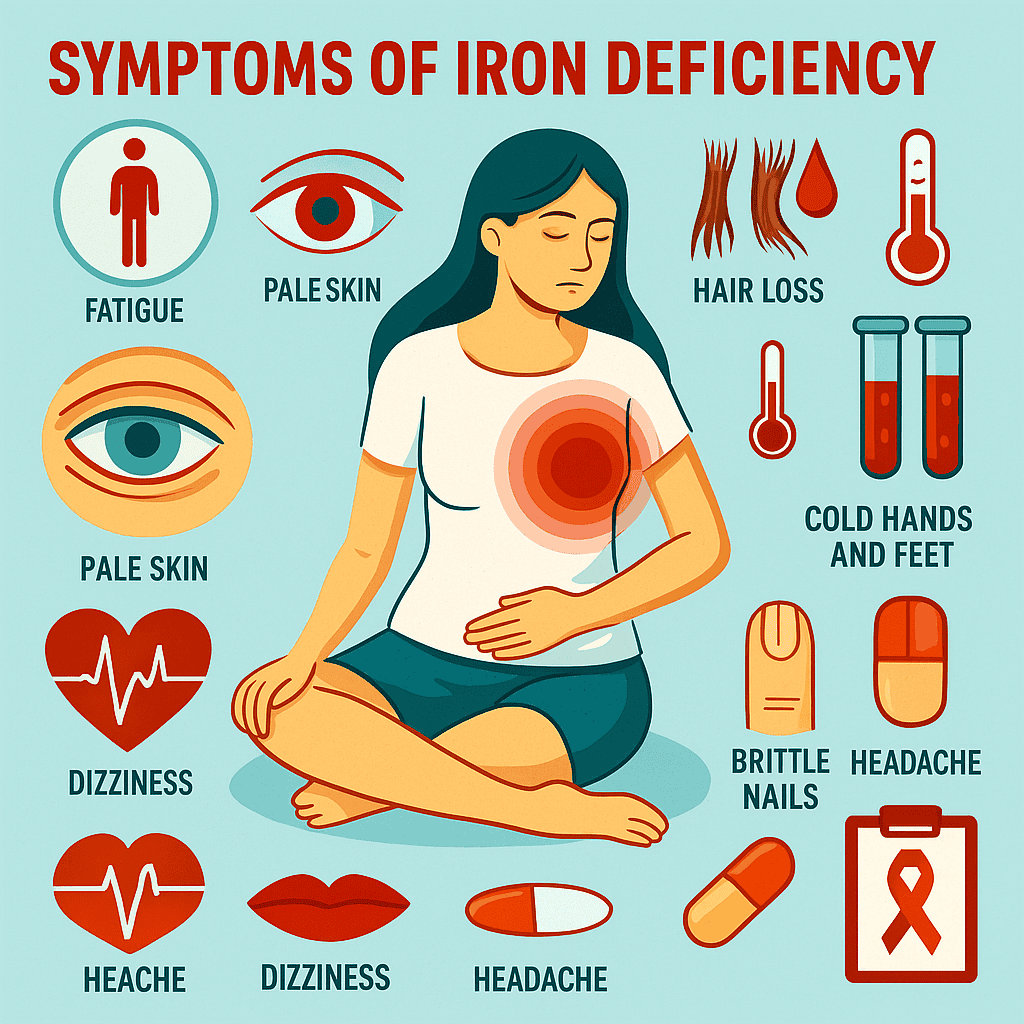
You feel tired all the time — like, every day
You get out of breath more fluently than before
Your skin looks paler than usual
Cold hands and bases, indeed in warm rainfall
You have headaches, feel dizzy, or lightheaded frequently
Your nails break fluently or look ridged
Your hair is lacing or slipping further
still, a simple blood test can give you clarity, If that sounds familiar. Iron situations are easy to check and fairly quick to treat formerly linked.
🥗 Stylish Natural Iron Sources
There are two types of salutary iron brim andnon-heme.
🥩 Heme Iron( from beast sources)
This is absorbed more efficiently by the body. You’ll find it in
Red flesh like beef and angel
funk, lemon, and organ flesh
Fish and shellfish, especially bones
and sardines
🌱Non-Heme Iron( from factory- grounded sources)
Less readily absorbed, but still helpful — especially when combined with vitamin C
Spinach, kale, collard flora
Lentils, chickpeas, and sap
Tofu and tempeh
Pumpkin seeds and quinoa
Fortified cereals and factory milks
Pro Tip :A glass of orange juice with your mess can help your body absorb furthernon-heme iron. Win- win!
💊 Do You Really Need forceful Supplements?
Not inescapably. But if you fall into a high- threat order, they could be a game- changer.
You might profit from supplements if
You have heavy menstrual ages
You are pregnant or lately gave birth
You follow a submissive or vegan diet
You’ve had recent surgery, blood loss, or illness
You’ve been diagnosed with anemia
But then is the thing — don’t guess. Guessing can lead to too important iron, which isn’t good moreover. Always test before you treat.
🤰 Iron and Women’s Reproductive Health
Iron supports much further than just physical stamina. It plays a quiet but pivotal part in reproductive health.
During gestation, iron helps make the placenta, ensures proper oxygen delivery to the baby, and lowers the threat of complications like preterm birth or low birth weight.
Before gestation? It supports ovulation and overall hormonal balance. After parturition? It helps you recover and replenish your stores especially important if you’re breastfeeding.
🍽️ Diet Tips to Boost Iron immersion
Let’s say you’re eating your flora and legumes. That’s a great launch! But then’s how to make that iron really work for you
✅ Brace iron-rich refections with vitamin C — citrus fruits, bell peppers, berries
🚫 Avoid tea or coffee right after refections — they can block immersion
🍳 Cook with cast- iron kissers
yes, they really can increase iron content in your food
🥣 Choose iron- fortified cereals or whole grains as a diurnal go- to
Indeed small changes like these can help ameliorate your situations naturally, especially when you’re in conservation mode.
⚠️ Side effects of Over-Supplementation
Iron is essential but like anything, too much of it can beget problems.
Taking further iron than you need may lead to
Constipation or bloating
Nausea and stomach cramps
Iron load, which can harm your liver and heart over time
This is why testing is crucial. Let your croaker
guide your lozenge. And if you do need supplements, look for bones
that are gentle on the stomach — like iron bisglycinate or liquid forms.
❓ FAQs
Q Can I get all the iron I need from food?
Yes, if your diet is varied and you’re not at high threat. But in some cases like during gestation or with heavy ages — food might not be enough.
Q What’s the stylish form of supplement?
Tablets, capsules, or bathos. Some prefer gummies. Liquid iron works briskly but can taste metallic. Ferrous bisglycinate is gentler on the stomach.
Q Are there iron-rich options for insectivores?
surely. sap, lentils, tofu, spinach, and quinoa are solid choices. Just flash back to pair them with vitamin C.
Q How soon do iron supplements start working?
You might feel a little more energetic after 2 – 4 weeks. But it can take a many months to completely restore your iron stores.
Q Should I take iron during gestation?
nearly always, yes. But the exact cure should come from your croaker
grounded on your bloodwork.
🔚 Final studies
Iron might not be commodity you suppose about every day but your body clearly does. For women, especially, it can make the difference between dragging yourself through the day and feeling truly alive.
still, do n’t brush it off, If you’re feeling off. It might be your body asking for a little help. And with a smart diet, regular checks, and conceivably a supplement, you can stay on top of your health — without the guesswork.
💡 BONUS tip: Make an iron investigation part of your monthly health scan.