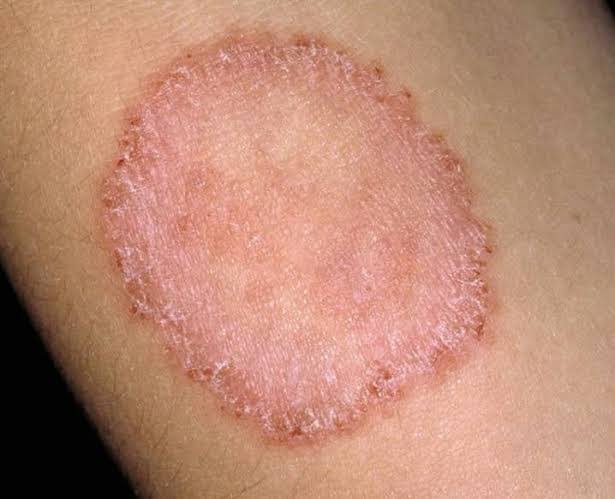

Crohn’s disease is a chronic inflammatory condition that affects the digestive tract, primarily the intestines. It is one of the two main types of inflammatory bowel disease (IBD), the other being ulcerative colitis. This condition can lead to severe digestive issues, malnutrition, and complications if not managed properly.
What is Crohn’s Disease?
Crohn’s disease causes inflammation anywhere along the gastrointestinal (GI) tract, from the mouth to the anus, but it most commonly affects the small intestine and the beginning of the large intestine. The disease follows a relapsing and remitting pattern, meaning that individuals experience periods of flare-ups and remission.
Causes and Risk Factors
The exact cause of Crohn’s disease is not known, but several factors may contribute to its development:
- Genetics – A family history of Crohn’s disease increases the risk.
- Immune System Dysfunction – An abnormal immune response may mistakenly attack the intestines.
- Environmental Factors – Diet, stress, smoking, and certain infections may trigger or worsen the disease.
- Gut Microbiome Imbalance – Changes in the gut bacteria may influence inflammation.
Symptoms of Crohn’s Disease
Symptoms can vary depending on the location and severity of inflammation. Common symptoms include:
| Symptoms | Description |
|---|---|
| Abdominal Pain | Persistent cramping and discomfort in the gut |
| Diarrhea | Frequent, loose stools that may contain blood |
| Fatigue | Extreme tiredness due to inflammation and malnutrition |
| Weight Loss | Inability to absorb nutrients properly |
| Fever | Low-grade fever during flare-ups |
| Nausea and Vomiting | Caused by inflammation or bowel obstruction |
| Mouth Sores | Painful ulcers inside the mouth |
| Joint Pain | Arthritis-like symptoms due to inflammation |
Diagnosis of Crohn’s Disease
There is no single test to diagnose Crohn’s disease. Doctors use a combination of tests, including:
- Blood Tests – Check for inflammation and anemia.
- Stool Tests – Identify infections or blood in stool.
- Colonoscopy & Endoscopy – Visual examination of the intestines.
- CT Scan or MRI – Detects inflammation and complications.
- Biopsy – A small tissue sample is taken for analysis.
Complications of Crohn’s Disease
If left untreated, Crohn’s disease can lead to complications such as:
- Intestinal Strictures – Narrowing of the intestines due to scar tissue.
- Fistulas – Abnormal connections between different body parts, such as the intestine and skin.
- Malnutrition – Poor absorption of nutrients, leading to deficiencies.
- Colon Cancer – Increased risk due to chronic inflammation.
Treatment and Management
There is no cure for Crohn’s disease, but treatments aim to reduce symptoms and prevent complications.
1. Medications
- Anti-inflammatory drugs – Steroids and aminosalicylates reduce inflammation.
- Immune system suppressors – Reduce immune response to prevent attacks.
- Biologics – Target specific proteins in the immune system to reduce inflammation.
- Antibiotics – Help prevent infections and manage symptoms.
2. Dietary Changes
- Eat low-fiber foods to prevent intestinal blockage.
- Stay hydrated to manage diarrhea.
- Avoid dairy, spicy foods, and high-fat meals.
- Take vitamin supplements if necessary.
3. Lifestyle Changes
- Quit smoking to reduce flare-ups.
- Manage stress through meditation and exercise.
- Get enough rest to aid healing.
4. Surgery
If medications do not control symptoms, surgery may be necessary to remove damaged sections of the intestine.
Conclusion
Crohn’s disease is a challenging chronic condition, but with proper management, individuals can lead a fulfilling life. Early diagnosis, medication, dietary adjustments, and lifestyle changes can help reduce symptoms and prevent complications. Research continues to explore better treatments and potential cures for this condition.
If you or someone you know is experiencing symptoms, consult a healthcare professional for proper evaluation and management.